
What is Sleep Apnea?
In a sense, you’re lucky if you’ve received a diagnosis for sleep apnea — because now you know exactly what has been depriving you of much-needed rest and how to address the issue. With sleep apnea, daytime fatigue can seriously affect your quality of life, and left untreated, the long-term health risks are even more serious, including diabetes, an increased risk of stroke, and an increased risk of heart attack.
Our team at Serene Sleep Solutions in Daytona Beach, FL is here to reduce your risk of these problems while helping you feel the difference quality sleep can make every morning when you wake up.
The Basics of Sleep Apnea
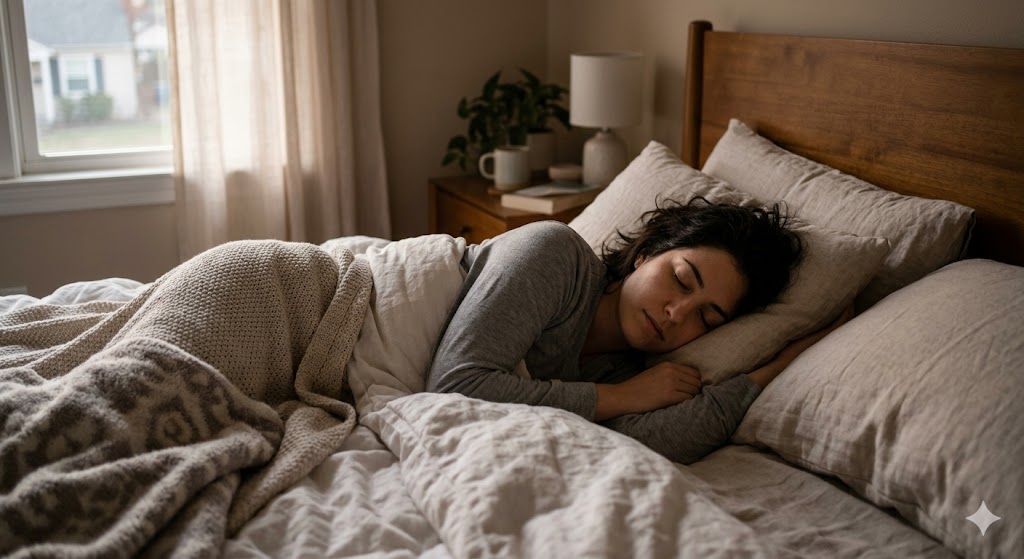
Sleep apnea causes a person to frequently wake during the night due to interrupted airflow. It occurs when breathing stops for 10 or more seconds at a time — episodes called “apneas” that can happen hundreds of times in a single night. When breathing pauses, the brain sends signals that briefly wake the body, preventing the deeper, more beneficial stages of sleep. Over time, this leads to sleep debt, and you’ll feel it more with each passing day. Read our full breakdown on the basics of sleep apnea for more detail.
Beyond sleep loss, this chronic issue can lead to daytime fatigue, memory problems, moodiness and irritability, and cardiovascular or respiratory strain.
Request an AppointmentWhat Causes Sleep Apnea?
Sleep apnea can develop for a wide variety of reasons and falls into a couple of different types. Obstructive sleep apnea (OSA) is the most common, occurring when the airway is too narrow, blocked, or otherwise restricted. Central sleep apnea (CSA) is often linked to neurological issues that interfere with normal breathing signals. No matter the type, factors like weight, lifestyle, and family history can all play a role. Visit our page on what causes sleep apnea to learn more.
Common Sleep Apnea Symptoms
Not all sleep apnea symptoms are easy to identify, especially since many overlap with other conditions. If you or your partner notice one or more of the following, consider calling our Daytona Beach, FL office for help:
- Loud or chronic snoring
- Choking or gasping
- Waking in the morning feeling unrefreshed
- Memory problems or trouble staying focused
- Being tired during the day
- Morning headaches
- Dry mouth or sore throat in the morning
- Irritability and mood swings
- Waking up frequently at night to use the bathroom
- Grinding or clenching your teeth at night
- Impotence
For a closer look, see our page on common sleep apnea symptoms.
The Dangers of Sleep Apnea
Consistent, restful sleep is the secret to a happier, healthier life — benefiting your physical, mental, and emotional health. Untreated sleep apnea, on the other hand, can lead to numerous long-term issues, including:
- Heart disease
- Stroke
- Diabetes
- High blood pressure
- Obesity
- Dementia/Alzheimer’s
- Depression
- Sexual dysfunction
- Cancer
Learn more on our page covering the dangers of sleep apnea.
Request an AppointmentHow Is Sleep Apnea Diagnosed?
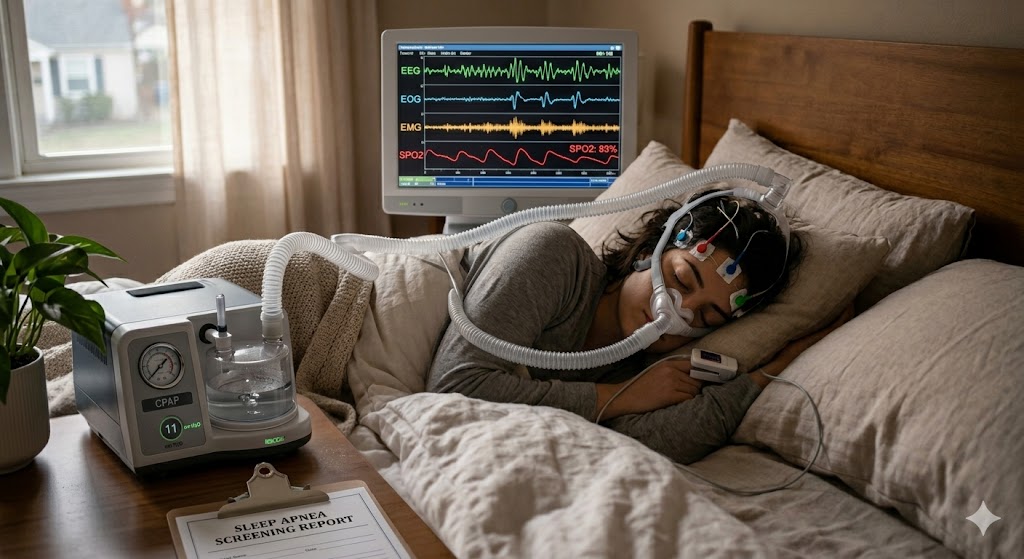
A sleep study, or polysomnogram, is the only definitive way to know whether you have sleep apnea. These tests are painless and non-invasive, and can be done at a sleep laboratory or at home with an ambulatory sleep study device. Our office offers at-home testing kits, which we’ll review with you during your appointment — a great option if you’d rather avoid a lab-based study involving CPAP. Either way, the results provide a definitive diagnosis, and our team at Serene Sleep Solutions can help you find the right treatment from there. Read more on how sleep apnea is diagnosed.
How Is Sleep Apnea Treated?
Several methods are used to treat sleep apnea, but most people think first of CPAP (continuous positive airway pressure) therapy, which uses a facial mask worn during sleep to keep the airway open. At Serene Sleep Solutions, our doctor also offers custom-made oral appliances as an alternative — comfortable, portable, easy to use, and completely silent. Countless patients are achieving better sleep with these devices. Learn more about how sleep apnea is treated.
Benefits of Sleep Apnea Treatment
Even though sleep apnea occurs while you’re sleeping, the benefits of treatment extend throughout the entire day. You’ll have far more energy, be far less likely to fall asleep at work, in class, or while driving, and your overall health will improve as your risk of conditions like heart disease and diabetes goes down. See the full picture on our benefits of sleep apnea treatment page.
Sleep Apnea FAQs
Why Should I See a Dentist for Sleep Apnea Treatment?
Dentists are experts in the upper airway and understand how various structures can affect airflow. Many have completed extensive additional training in the assessment and treatment of obstructive sleep apnea (OSA), allowing for a personalized approach tailored to your needs. Dentists are also qualified to offer oral appliance therapy, which is better tolerated than traditional CPAP therapy for many patients.
Does Everyone Who Snores Have Sleep Apnea?
Not everyone who snores has sleep apnea. Snoring can occur due to factors like nasal congestion or anatomical differences and doesn’t always indicate a serious condition. That said, persistent, loud snoring accompanied by pauses in breathing, daytime fatigue, or morning headaches can be a sign of obstructive sleep apnea. It’s also worth noting that some people with sleep apnea don’t snore at all. Learn more on if snoring means sleep apnea.
Can I Diagnose Sleep Apnea on My Own?
No, it isn’t possible to diagnose sleep apnea on your own. While you may notice signs like daytime sleepiness, morning headaches, or frequent nighttime waking, a professional evaluation through a sleep study is necessary for an accurate diagnosis.
Will My Sleep Apnea Go Away If I Lose Weight?
Weight loss can positively affect sleep apnea, especially for those carrying excess weight around the neck and throat, and may reduce symptom severity or even lead to remission in some cases. However, it doesn’t guarantee complete resolution for everyone, since sleep apnea has multiple possible causes. Our practice offers oral appliance therapy to address airway obstruction regardless of weight.
How Can I Travel with Sleep Apnea?
Traveling with sleep apnea takes a bit of preparation, but oral appliance therapy makes it much easier since the devices are small, portable, and discreet. It also helps to schedule enough rest, avoid overexertion, avoid eating or drinking alcohol too close to bedtime, and stick to a regular sleep schedule when possible.
What’s the Difference Between Obstructive and Central Sleep Apnea?
Obstructive sleep apnea (OSA) occurs when the airway becomes physically blocked or restricted during sleep, while central sleep apnea (CSA) stems from the brain failing to send proper signals to the muscles that control breathing. OSA is by far the more common of the two. Learn more about obstructive sleep apnea treatment.
How do I schedule a consultation for sleep apnea?
Call (386) 253-0115 or use our online scheduling form to request an appointment with our Daytona Beach, FL team.